
Grain Above the Peaks: Crafting Images in Thin Air
Join us for a practical, heartfelt journey through film photography in the Alps: shooting, developing, and archiving at high altitude. We’ll navigate snow-bright scenes, thin air, fragile emulsions, and cold metal, sharing proven techniques, candid mistakes, and quiet triumphs from ridgelines, huts, and frozen valleys where every frame feels fiercely earned.
Choosing Cameras Built for Cold
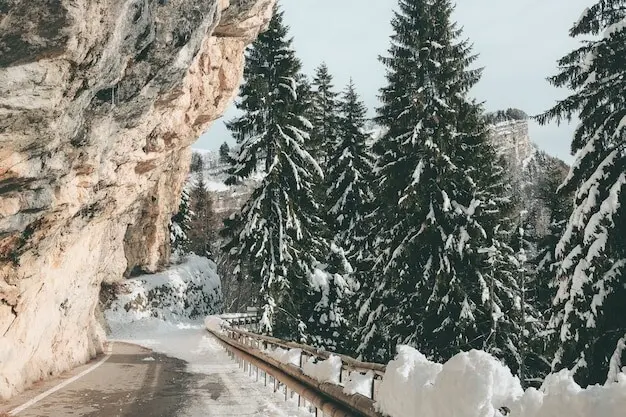
Mechanical shutters often outlast batteries when the ridge wind cuts through gloves and mercury drops. Consider bodies serviced with cold-tolerant lubricants, oversized dials you can grip, and bright viewfinders. A simple, trusted meter—preferably incident—reduces second-guessing when reflective readings from snow try to sabotage exposure decisions.
Selecting Film Stocks for Ice and Sun
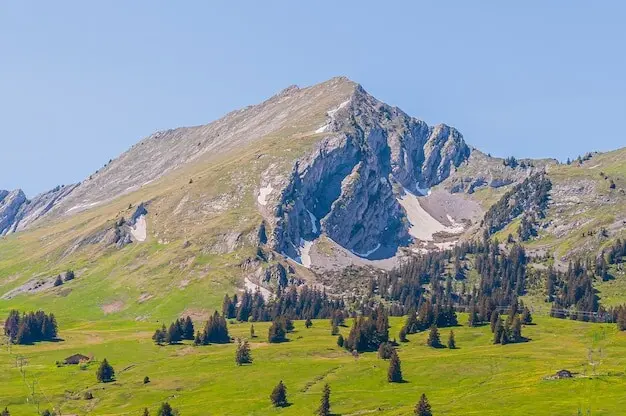
High-contrast scenes reward forgiving emulsions with generous latitude. Color negatives like Portra handle dazzling highlights, while Ektar rewards crystal air with saturated blues. For monochrome, Tri‑X or HP5 love texture in rock and snow, push gracefully, and print beautifully. Pack a range to adapt to storms, shade, and moonlit ridge traverses.
Taming Snow: Metering Without Lies
Reflected meters aim for middle gray and will clip your whites unless you add exposure. Start with +1 to +2 stops compensation in brilliant snow, confirm with incident readings, and bracket when the wind races clouds. Note how backlit ice fools intuition, then trust your logbook more than guesswork.
Filters for Altitude: UV, Polarizers, and B&W Magic
Thin air amplifies UV and deepens sky contrast. A UV filter can tame haze, while a polarizer sculpts glare from snow and water—careful to avoid banding in ultra-wide vistas. For monochrome, yellow, orange, or red filters separate clouds, carve glaciers from rock, and add drama without crushing midtones.
Compositions That Breathe Thin Air
Mountains can swallow scale and flatten drama unless you choreograph depth, rhythm, and story. Layer foreground textures, invite human presence for proportion, and choreograph lines that travel from talus to summit. Weather becomes your collaborator: drifting cloud, spindrift, and soft alpenglow animate static rock into living narrative.
Field Workflow in Frost and Wind
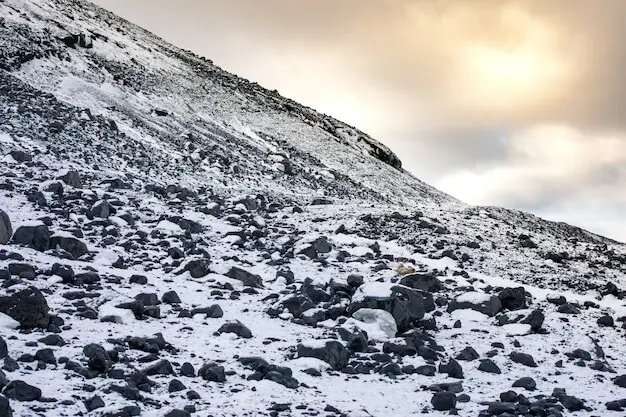
Handling film delicately while ropes chatter and crampons bite requires rituals. Slow movements prevent static sparks and torn perforations. Bag cameras before entering warm huts to avoid condensation. A disciplined approach protects emulsion, gears, and spirit when cold tries to turn small mistakes into lost rolls.
Protecting Film From Static and Brittle Spools
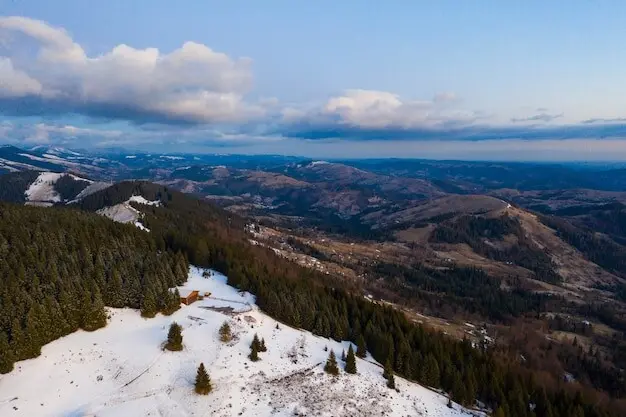
Dry, cold air encourages static marks during fast winding. Advance smoothly, avoid rapid rewinds, and keep cassettes in soft pouches. If your camera hesitates, stop and warm it gently. Protect leaders from snapping, and label canisters immediately; alpine light fades memory faster than you expect.
Condensation Control From Summit to Shelter
Before entering a warm refuge, seal camera and lenses in zip bags so moisture condenses on plastic, not optics. Let gear acclimate slowly. Replace fogged filters only after temperatures equalize. Silica packs in the bag help, as does restraint—resist opening equipment just to peek after a hard climb.
Notes, Maps, and Exposure Discipline
Keep a small pencil and waterproof notebook for shutter, aperture, compensation, and filter factors. Add altitude, aspect, and weather notes to decode future negatives. Voice memos work through balaclavas. Sketch compositions, mark hazards, and log bracketing so later darkroom decisions feel guided rather than improvised.
Travel-Friendly Chemistry and Temperature Control
Monobaths like DF96 simplify logistics, while compact tanks and changing bags pack easily. At altitude, maintain developer temperature with insulated bottles and warm water baths. Time shifts with cooler chemistry; compensate deliberately. Test a sacrificial roll before risking a once-in-a-decade sunrise above crevassed blue ice.
Push and Pull Decisions Informed by Mountain Light
Storm light and fast action reward pushing 400-speed stocks to 800 or 1600, accepting grain for mood. Harsh midday clarity favors pulling to calm contrast. Record intent on canisters, align agitation with goals, and remember: creative latitude is artful only when logged and repeatable under pressure.
Flying Home With Exposed Rolls and Airport X-Rays
Modern CT scanners can fog higher‑speed films in a single pass. Request hand checks, carry film in clear bags, and avoid checked luggage. Lead bags can trigger rescans; transparency helps. Keep exposed rolls cool and dry, and separate push‑labelled canisters to prevent lab mix‑ups later.
Archiving, Cataloging, and Digitizing the Journey
Use PAT‑passed polyester or polyethylene sleeves, never PVC. File by date and route in buffered, acid‑free boxes. Maintain cool, stable humidity; silica gel with indicators helps. Cotton gloves reduce scratches. Add contact sheets or thumbnails to speed retrieval when a publisher asks for that ridge at dusk.
A macro lens, rigid copy stand, and even illumination from a high‑CRI light panel yield crisp scans. Keep film flat with a proper holder, white‑balance the light, and adopt a consistent inversion workflow. Calibrated monitors and stable profiles honor glacier blues and delicate snow shadow tonality.
Pair each frame with coordinates, altitude, weather, companions, and exposure notes. Write a short field memory before the feeling fades. Share work with mountaineering clubs and analog communities, invite critique, and ask readers to comment with their methods, routes, and mistakes so we all grow stronger together.
All Rights Reserved.